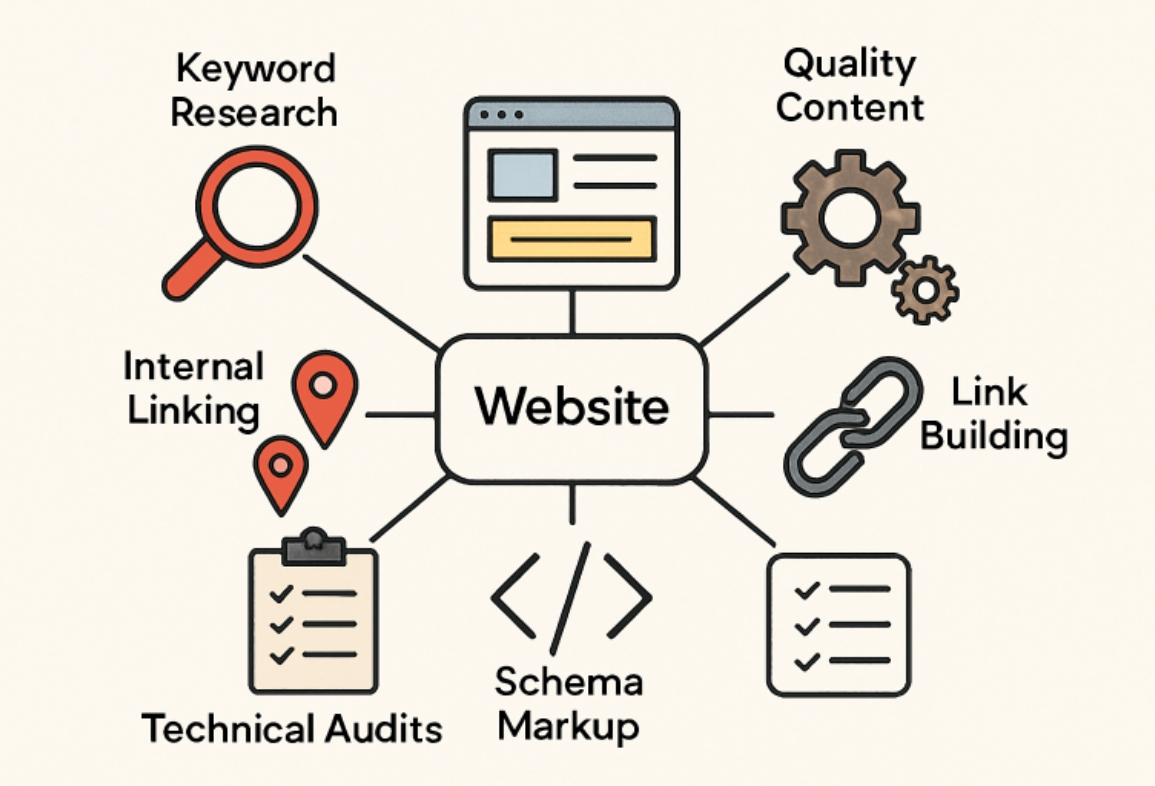
In today’s rapidly evolving digital landscape, maintaining a robust online presence and consistent organic growth can be challenging. Sustainable Search Engine Optimization (SEO) strategies are crucial for businesses and creators aiming for long-term visibility and lasting results. By adopting a comprehensive and methodical approach to SEO, your website can consistently improve its ranking, establish authority, and deliver a superior user experience without incurring penalties or setbacks. For tailored solutions that address every aspect of SEO, you may consult with experts at https://victorious.com/services/seo/.
Every step of the SEO process — from keyword research to technical audits — is crucial for achieving sustainable growth. Adhering to best practices helps attract a more relevant audience, foster engagement, and convert visits into results. Building a strong foundation, providing valuable long-form content, and consistently optimizing your site’s presence make it a trusted destination for both users and search engines.
Today, search engines are smarter than ever, using sophisticated algorithms to surface the most helpful, credible, and user-focused content. By committing to authenticity, transparency, and white-hat SEO techniques, you future-proof your website from algorithm changes while offering your audience a meaningful experience. This ongoing process requires attention to detail, perseverance, and regular updates to remain effective.
As search intent evolves, so too must your approach. Use these practices as a compass for sustainable results and growth that withstands the test of time.
Table of Contents
Post Preview
Key Takeaways
- Identify and target the right keywords to attract a relevant audience.
- Create high-quality, long-form content that provides value to users.
- Optimize website speed and ensure mobile-friendliness for better user experience.
- Build high-quality backlinks through ethical practices.
- Implement internal linking to strengthen site structure.
- Utilize schema markup to enhance search engine understanding.
- Regularly audit technical SEO elements to maintain optimal performance.
Keyword Research: Laying the Foundation
Keyword research sets the stage for effective SEO by aligning your content with your target audience’s needs and intent. Start by identifying terms and questions that your potential customers are searching for. Rather than focusing solely on high-volume, general keywords, prioritize those that are specific to your niche and reflect real intent. Tailored keyword strategies enhance relevance and decrease the bounce rate, directing high-quality traffic to your site.
Competitor research offers valuable insights into gaps and opportunities. Tools like Google Keyword Planner and SEMrush can help uncover keyword trends and evaluate potential performance. Balance between short-tail and long-tail keywords for comprehensive coverage, as long-tail keywords often yield higher conversion rates by matching more focused user queries.
Content Creation: Quality Over Quantity
Search engines reward content that is thorough, original, and authoritative. High-quality, long-form content consistently outperforms thin or duplicate content in the rankings. Aim to answer your audience’s questions comprehensively, using a mix of explanations, step-by-step guides, and actionable advice. Structure your articles with descriptive headings, bullet points, and visuals to increase readability and visitor engagement.
Every page should deliver true value, not just superficial answers. Regularly update content to reflect the latest trends and information, which also signals to search engines that your site is maintained. Avoid keyword stuffing; instead, use your primary and secondary keywords naturally within the context of your content. Incorporate case studies or expert opinions for added credibility. This user-centric approach cultivates trust and encourages repeat visits.
Technical SEO: Enhancing User Experience
Optimizing the technical aspects of your website ensures users enjoy a smooth experience. Fast-loading pages prevent visitor drop-offs and positively influence search rankings. Utilize techniques such as image compression, lazy loading, and minimal script usage to optimize site speed. Audit your site for broken links, unnecessary redirects, and bloated code.
Mobile Optimization
A mobile-friendly website is non-negotiable, as most traffic now comes from smartphones. Responsive design ensures your content is accessible and visually appealing across all devices and screen sizes. Test your site with tools like Google’s Mobile-Friendly Test to address usability issues promptly.
Link Building: Earning Authority
Links from reputable websites act as endorsements for your content, boosting your domain authority. Focus on ethical tactics like guest blogging, thought leadership, and developing high-value resources that people naturally want to share. Steer clear of spammy link schemes; quality always trumps quantity in link building.
Build relationships with influencers in your space and seek collaborative opportunities such as podcasts and industry round-ups. Providing expert insights or data can also result in natural citations from respected publications.
Internal Linking: Strengthening Site Structure
Internal links guide both search engines and users through your website, passing authority between pages and highlighting your most important content. Ensure that every piece of content aligns with your broader site context by connecting relevant articles, service pages, and resource sections. Avoid orphaned pages — those that are not linked to by any other pages on your site — as they are less likely to be crawled and indexed.
Use clear, concise anchor text so both users and search engines understand the link’s destination. Regularly audit your internal linking structure to ensure a logical flow and effective distribution of page authority.
Schema Markup: Enhancing Search Visibility
Schema markup is a type of structured data that helps search engines better interpret your content. By adding schema to your pages, you enhance your chances of earning rich snippets, such as star ratings, reviews, FAQs, or event details, in search results. Consider implementing markup relevant to your niche, such as Product, Article, or FAQ schema, to increase your content’s visibility and click-through rate.
Use Google’s Structured Data Markup Helper to get started and test implementation with the Rich Results Test tool. Enhanced listings stand out in search results and may drive increased click-throughs and engagement.
Technical Audits: Maintaining Optimal Performance
Continuous improvement is the cornerstone of sustainable SEO. Regular technical audits spotlight issues before they impact your search performance. Include checks for mobile optimization, proper schema deployment, broken links, crawl errors, and site speed improvements. Ensure your XML sitemap is up to date and your robots.txt file is configured correctly to guide search engines effectively.
Routine monitoring and action enable you to stay current with the latest algorithm updates and user behavior trends, thereby protecting your hard-earned rankings and maintaining your site’s health over time.
By faithfully applying these SEO best practices, you set your website on the path to long-term success, increased visibility, and lasting organic growth.